
Extraordinary Marble Statues: Their History, Background and Meaning
Art concepts that became realised dreams.

A Journey Through the World’s Most Famous Marble Statues
Marble statues have long been a symbol of artistic excellence and cultural expression. Sculpted from this durable yet elegant material, these masterpieces often stand as testaments to the skill and imagination of the artists who created them. Let’s take a journey through some of the most iconic marble statues in the world, exploring their beauty, historical significance, and the legends behind them.
1. David by Michelangelo (Italy)
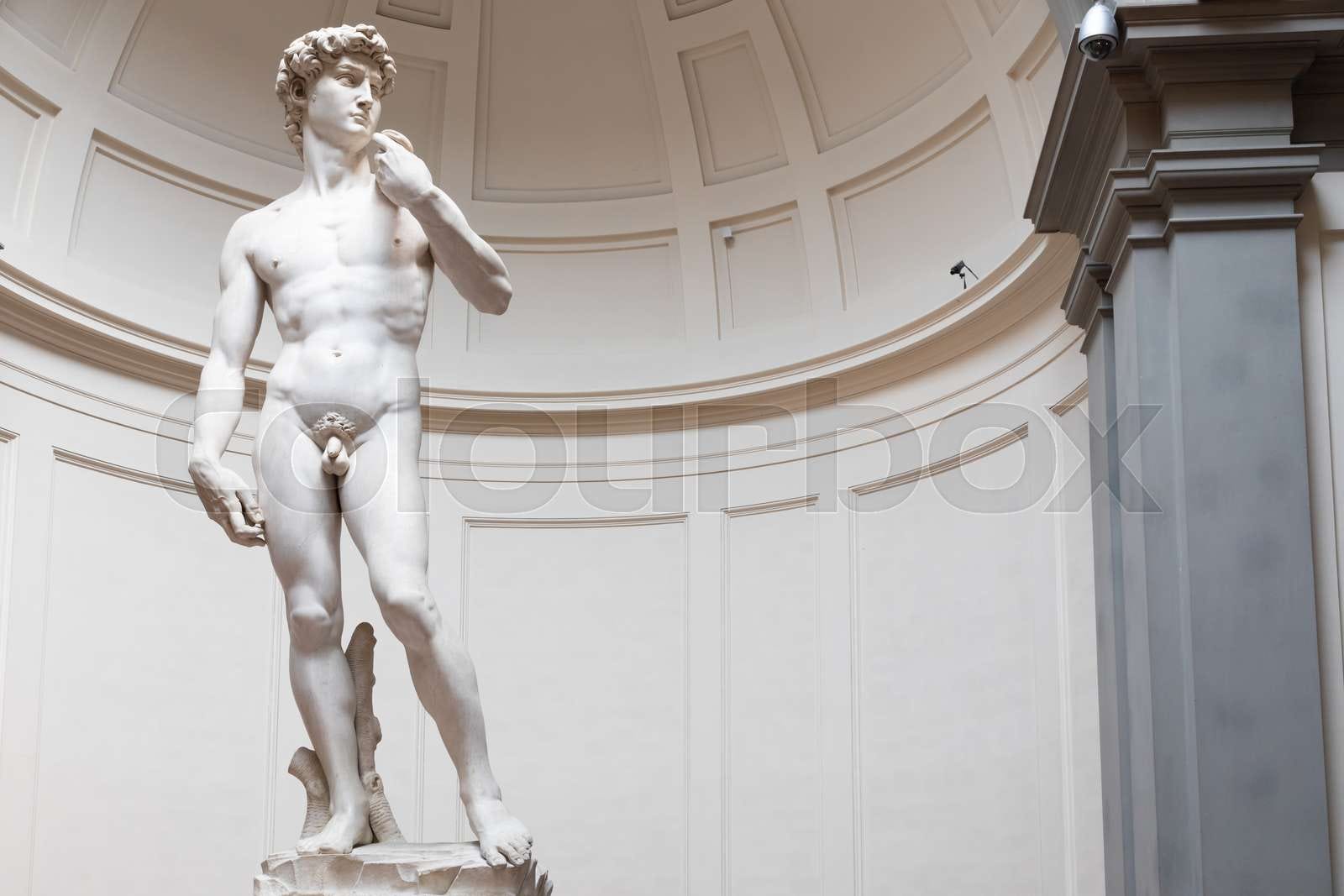
One of the most famous sculptures in history, Michelangelo’s David, stands as a symbol of strength, beauty, and human perfection. Carved between 1501 and 1504, this 17-foot statue of the biblical hero is renowned for its detailed anatomy, from the tension in David’s muscles to the intricate veins on his hands. Displayed at the Galleria dell’Accademia in Florence, Italy, David represents the height of Renaissance artistry, showcasing Michelangelo’s exceptional skill in capturing human form and emotion.
2. The Pietà by Michelangelo (Italy)
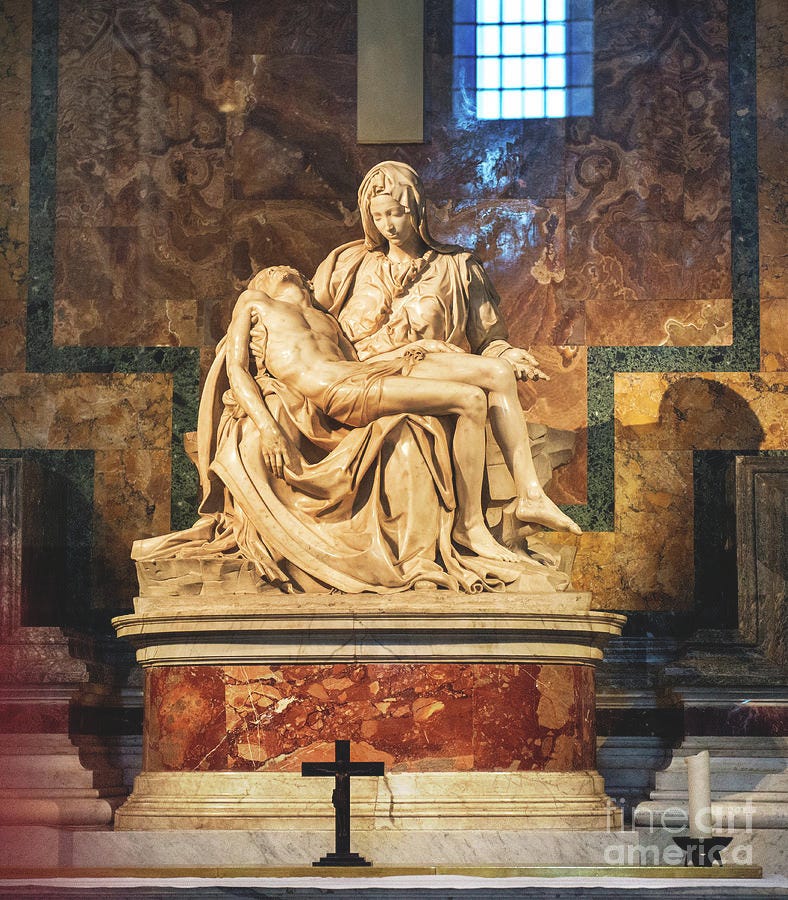
Michelangenius is a genius immortalised with The Pietà, another remarkable marble sculpture that portrays the Virgin Mary cradling the dead body of Christ. Completed in 1499, this sculpture is housed in St. Peter’s Basilica in Vatican City. Unlike David’s heroism, The Pietà captures grief and sorrow, with Michelangelo masterfully sculpting the flowing folds of Mary’s robe and the lifelessness of Christ’s body. The emotion captured in the marble has made it one of the most revered marble sculptures of religious art.
3. Venus de Milo (France)
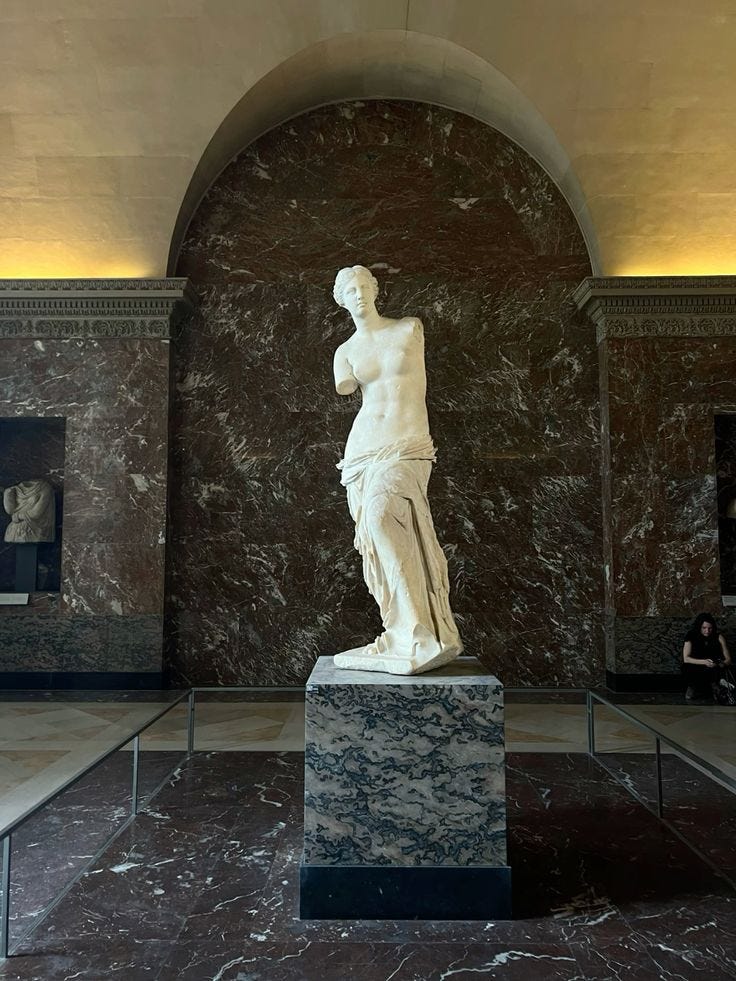
One of the most famous ancient Greek sculptures, the Venus de Milo, is believed to depict Aphrodite, the Greek goddess of love and beauty. Discovered on the island of Milos in 1820, this marble statue of the Venus de Milo dates to around 100 BCE. Despite missing its arms, the statue remains a symbol of grace and elegance. Its mystery, combined with the flowing drapery and soft yet confident posture, has fascinated art lovers for centuries. Today, the Venus de Milo is housed in the Louvre Museum in Paris.
4. The Winged Victory of Samothrace (France)
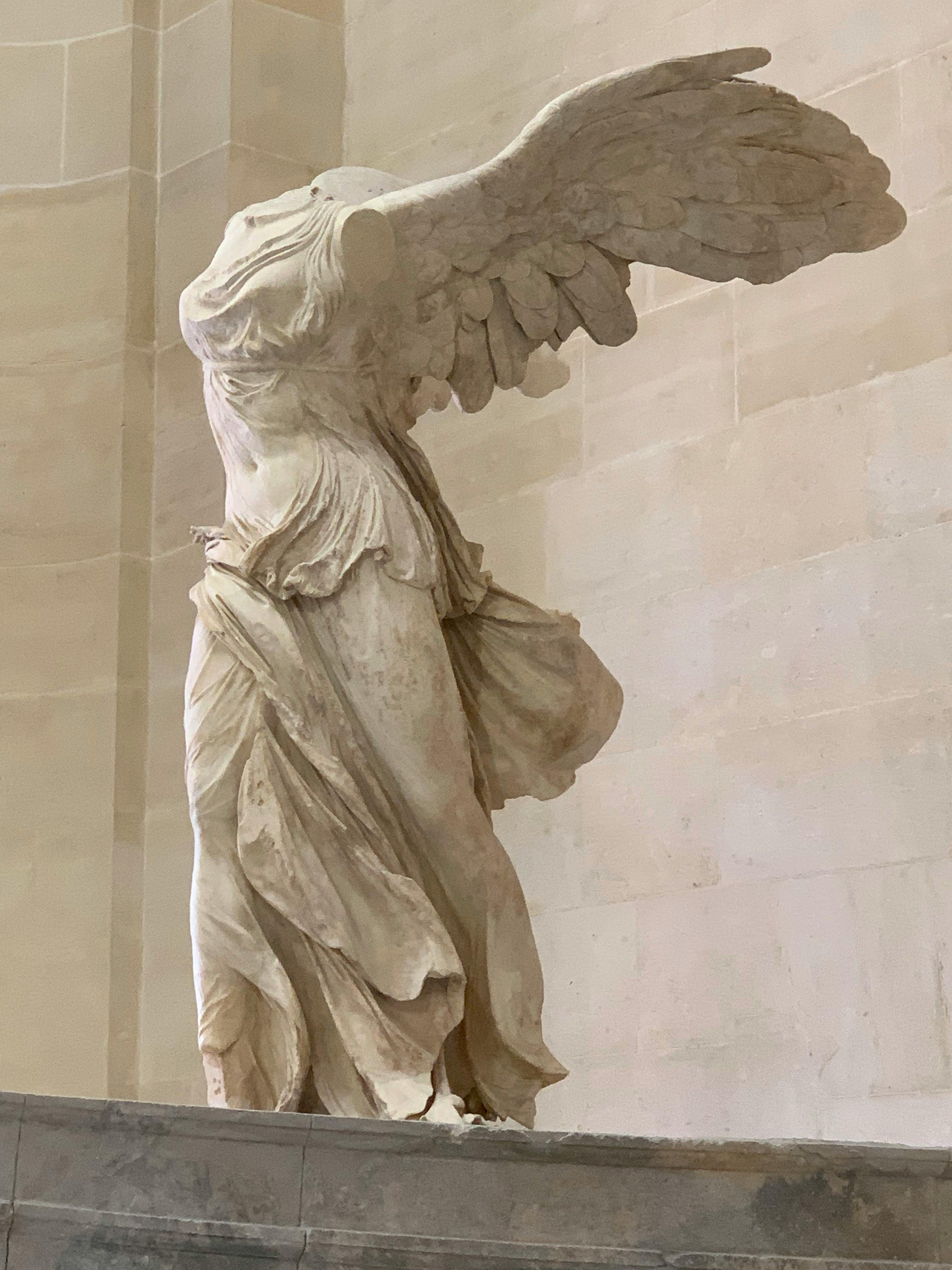
Also located in the Louvre Museum is the Winged Victory of Samothrace statue, an ancient Greek statue dating back to the 2nd century BCE. This stunning sculpture portrays Nike, the Greek goddess of victory, with her wings outstretched, seemingly alighting on the prow of a ship. The detail in the movement of her garments and the realistic sense of momentum are what make this statue a masterpiece of Hellenistic art. Though missing its head and arms, it remains a powerful depiction of triumph and motion.
5. The Discobolus by Myron
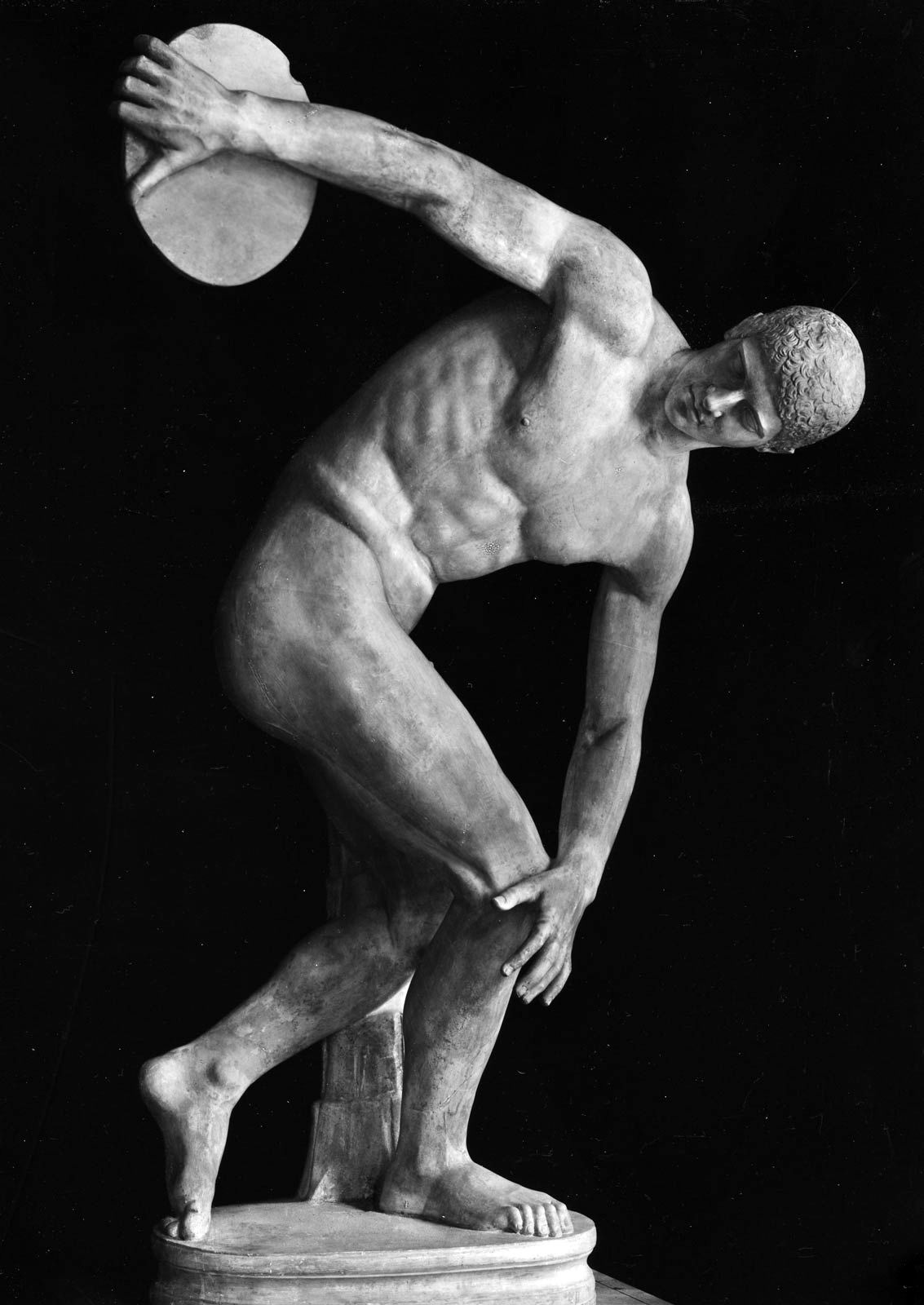
The Discobolus, or the “Discus Thrower,” is one of the most iconic representations of ancient Greek athleticism. Originally sculpted in bronze by the artist Myron in the 5th century BCE, this statue depicts a youthful athlete throwing a discus. Although the original Discus Thrower bronze sculpture has been lost, several Roman marble copies survive, among the finest being in the British Museum in London. The tension and fluidity captured in the athlete’s body showcase the Greek ideal of harmony and balance.
6. Laocoön and His Sons (Italy)
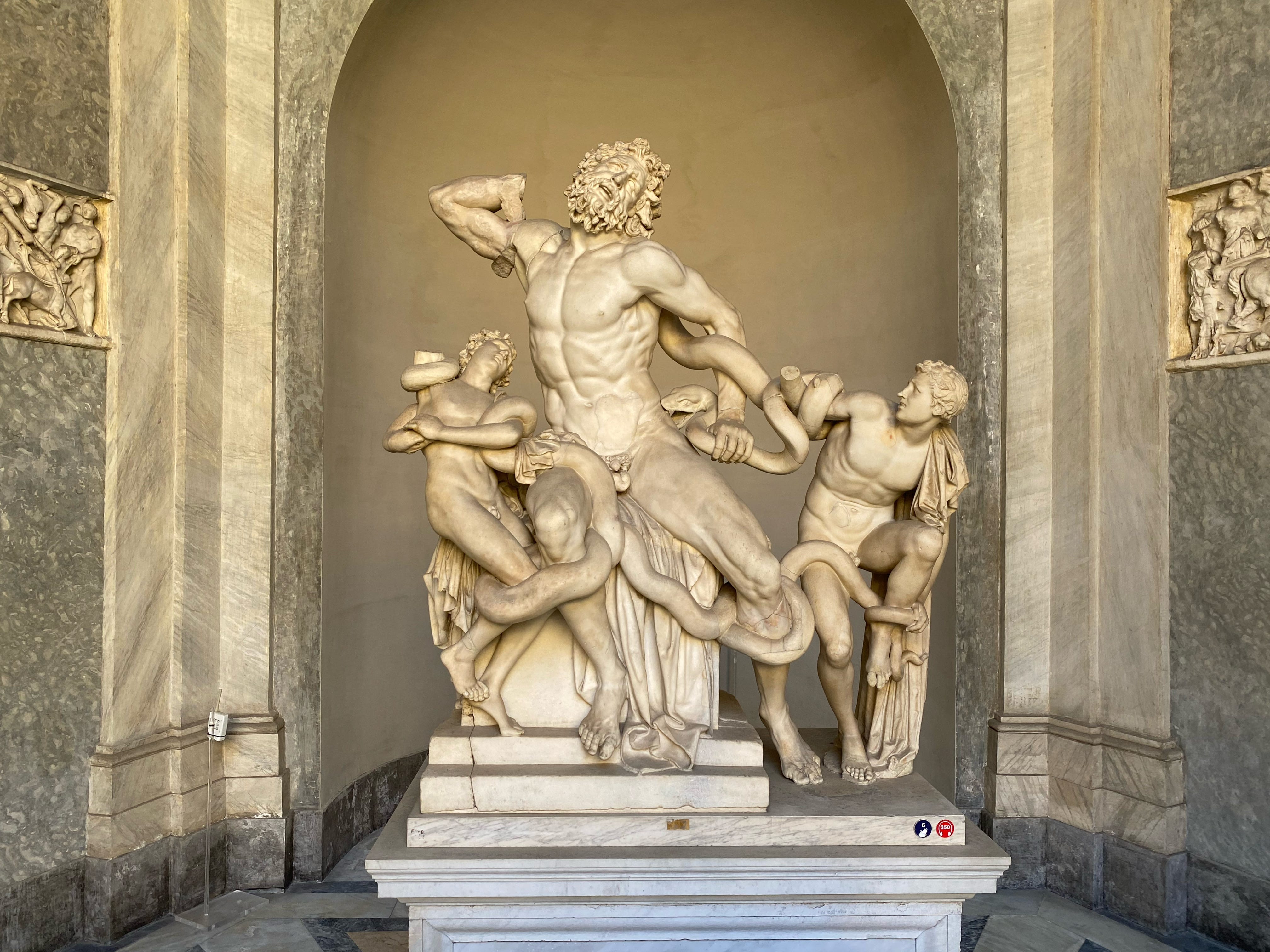
Laocoön and His Sons is a dramatic marble sculpture that depicts the tragic fate of the Trojan priest Laocoön and his two sons as they are attacked by sea serpents. This work, attributed to the Hellenistic artists of Rhodes, is noted for its intense expressions of suffering and the complexity of the composition. Discovered in Rome in 1506, it was quickly recognised as a masterpiece of ancient art. Today, it resides in the Vatican Museums, continuing to captivate viewers with its gripping emotional power.
7. The Ecstasy of Saint Teresa by Gian Lorenzo Bernini (Italy)
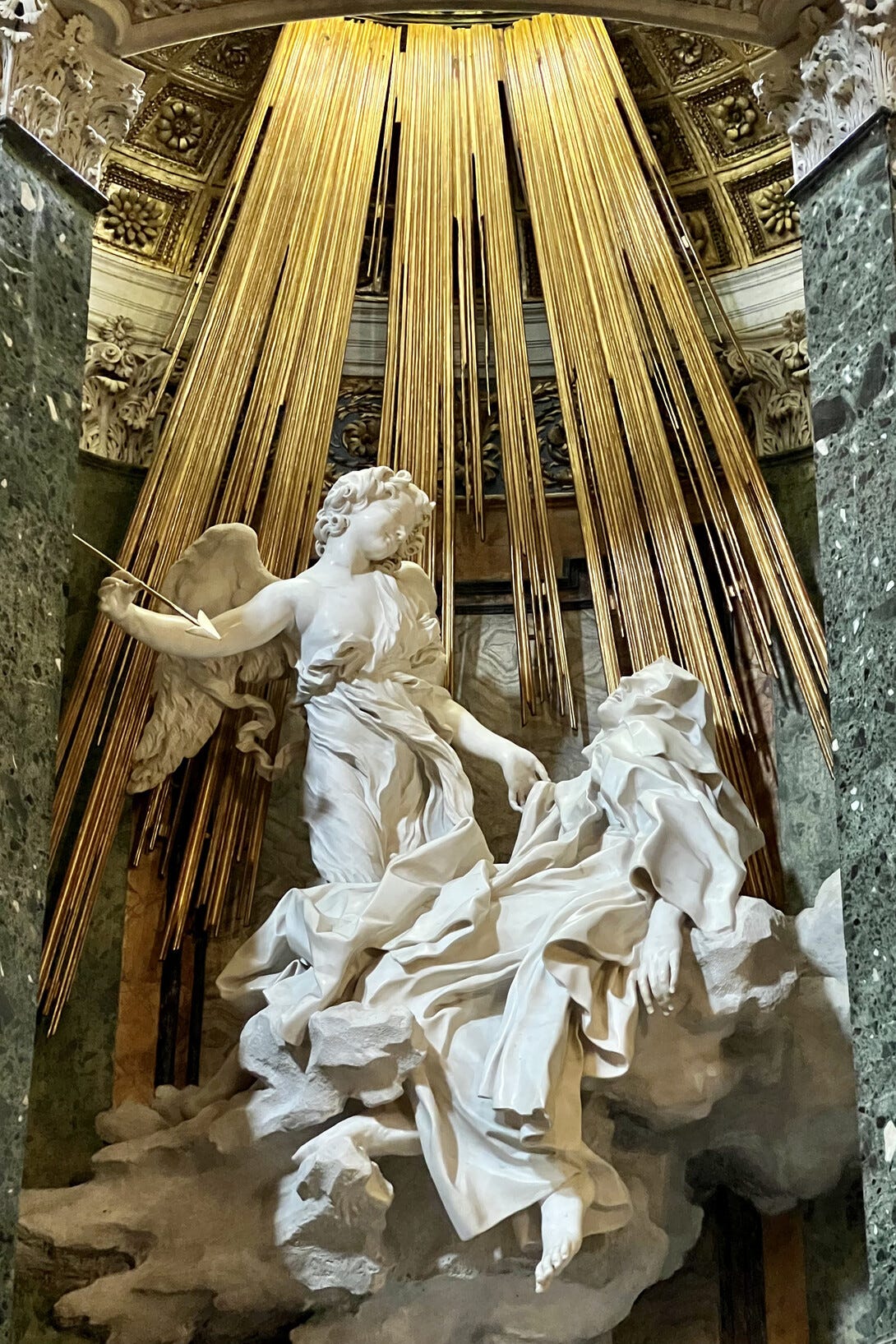
A masterpiece of Baroque sculpture, The Ecstasy of Saint Teresa was crafted by Gian Lorenzo Bernini between 1647 and 1652. Located in the Cornaro Chapel of the Santa Maria della Vittoria church in Rome, the statue depicts Saint Teresa of Ávila in a moment of divine rapture. Bernini’s ability to carve marble to evoke textures like fabric, skin, and even light is truly astonishing. The composition's floating, otherworldly nature blurs the lines between the spiritual and the physical, creating a dramatic experience for viewers.
8. Perseus with the Head of Medusa by Antonio Canova (Italy)
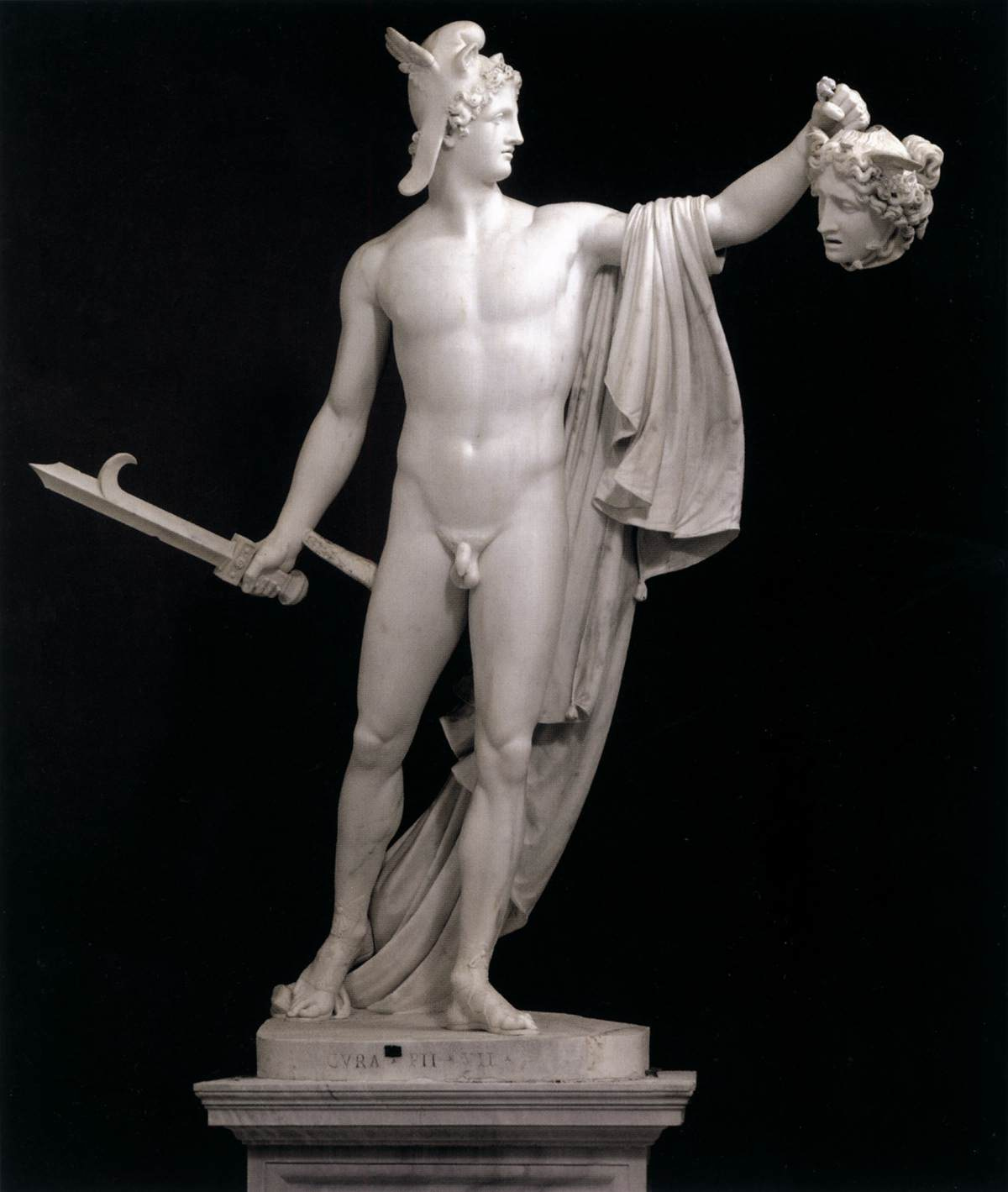
Antonio Canova, one of the greatest neoclassical sculptors, created the stunning marble statue Perseus with the Head of Medusa in 1804. Displayed in the Vatican Museums, this sculpture draws from Greek mythology, showing Perseus triumphantly holding the severed head of Medusa. The famous marble statue is a brilliant example of neoclassicism, characterised by its balanced proportions, smooth lines, and restrained emotion. Canova’s attention to detail and flawless execution elevate Perseus to heroic stature.
9. The Dying Gaul (Italy)
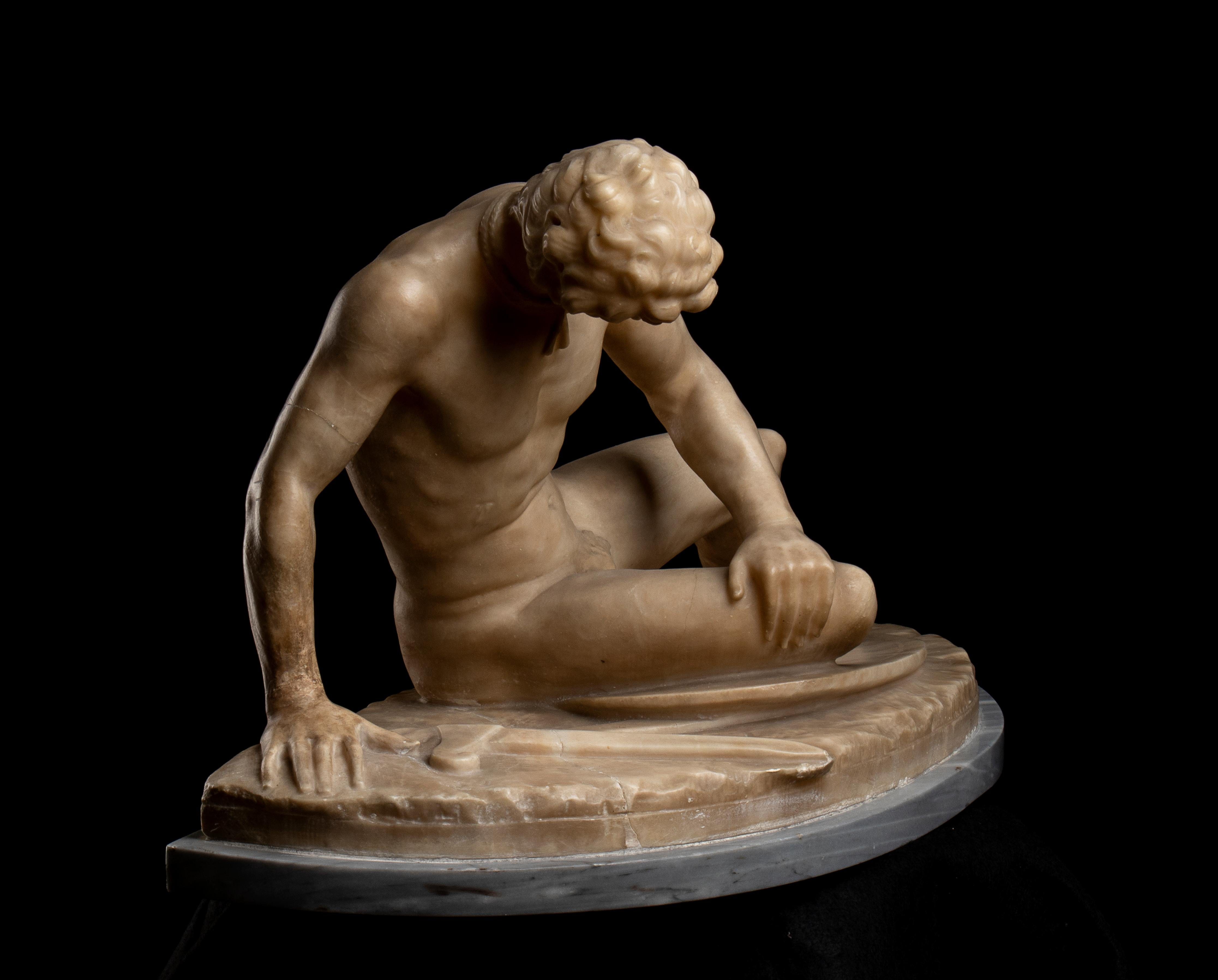
A moving depiction of a defeated enemy, The Dying Gaul is an ancient Roman marble copy of a Hellenistic sculpture, believed to have been created in the 3rd century BCE. The statue shows a Gallic warrior in his final moments, wounded and collapsed on the ground. The realism of his pain and the portrayal of a foreign enemy with such dignity and pathos are testaments to the period's humanistic values. The sculpture is displayed in the Capitoline Museums in Rome.
10. Christ the Redeemer by Paul Landowski (Brazil)
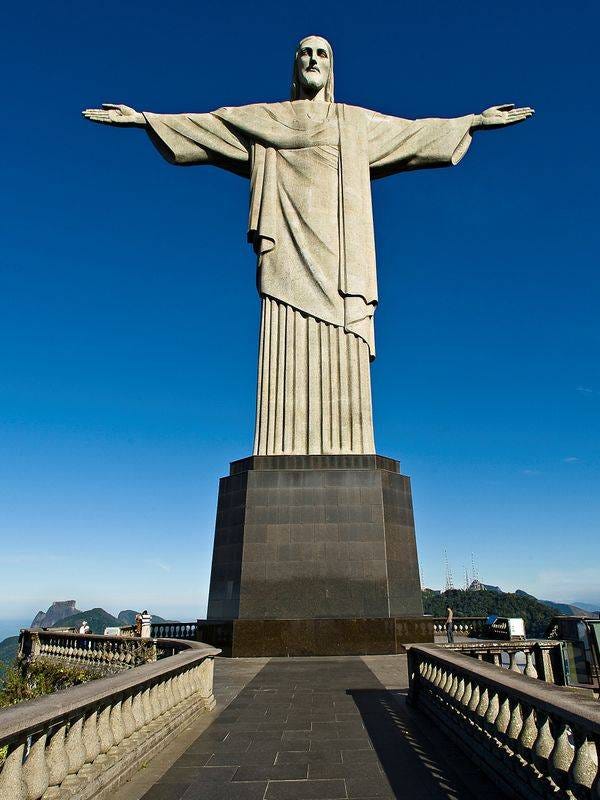
Although made of reinforced concrete and soapstone, Christ the Redeemer in Rio de Janeiro, Brazil, deserves mention due to its global fame and monumental scale. Designed by Paul Landowski and completed in 1931, this 98-foot statue of Christ with outstretched arms is one of the most recognisable symbols of Christianity and modern sculpture. Perched atop Corcovado Mountain, it overlooks the city of Rio and stands as a symbol of peace and hospitality.
From the graceful figures of ancient Greece to the religious devotion of the Renaissance, marble statues have played a key role in shaping the history of art. These timeless works transcend cultural boundaries, inspiring awe and admiration worldwide. Whether they symbolise beauty, heroism, or divine power, each of these statues offers a glimpse into the minds of the masters who sculpted them and the civilisations that cherished them.
It's hard to just select ten art pieces, but thankfully, life goes on, and I'll be back next time with more exquisite work from artists who have touched us so deeply with their work.
Thank you for reading!
René
This is very interesting and informative, and I was very entertained by it. Thank you.
You forget Le génie du mal.